Coconut Plantation
The coconut palm is the most useful palm in the world. Every part of the tree is useful to human life for some purpose or the other. Hence, the coconut palm is endearingly called ‘kalpavriksha’ meaning the tree of heaven. The copra obtained by drying the kernel of coconut is the richest source of vegetable oil containing 65 to 70 per cent oil.
Coconut is grown under different soil types such as loamy, laterite, coastal sandy, alluvial, clayey and reclaimed soils of the marshy low lands. The ideal soil conditions for better growth and performance of the palm are proper drainage, good water-holding capacity, presence of water table within 3m and absence of rock or any hard substratum within 2m of the surface.There are only two distinct varieties of coconut, the tall and the dwarf. The tall cultivars that are extensively grown are the West Coast Tall and East Coast Tall. The dwarf variety is shorter in stature and its life span is short as compared to the tall. Tall x Dwarf (TxD), Dwarf x Tall (DxT) are the two important hybrids.
There are 10 different combination of hybrids, developed by Kerala Agriculture University and Tamil Nadu Agriculture University and released for commercial cultivation. They are high yielders under the good management conditions. Laccadive Ordinary, Andaman Ordinary, Philippines, Java, Cochin-China, Kappadam etc. are the other tall cultivars under cultivation.
Amla
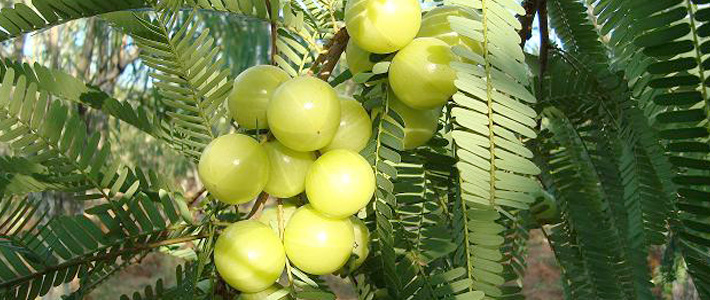
Amla is generally propagated through seeds, but seed propagated trees bear inferior quality fruits and have a long gestation period. Shield budding is done on one year old seedlings with buds collected from superior strains yielding big size fruits. Older trees of inferior types can be rejuvenated and easily changed into superior type by top working.
The pits of 1m3 are prepared during May-June at a distance of 4.5 m spacing and should be left for 15-20 days exposed to sunlight. Each pit should be filled with surface soil mixed with 15 kg farm yard manure and one kg of super phosphate before planting the grafted seedling.
Casuarina junghuhniana - (savukku in Tamil):
Casuarina is a fast growing and adoptable for any soil types. Mainly used in paper industries. It can be harvested after 3.5 years.
Bamboo (Bambusa nutans, B. Bamboos, B. tulda, B. vulgaris, B. Balcooa)
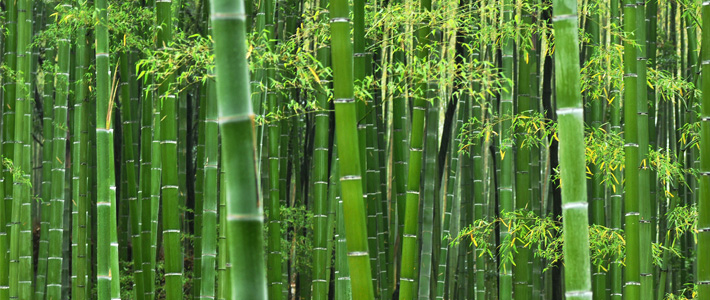
Bamboo is the world's fastest growing plant and some species of bamboo can grow up to a foot a day in the right conditions. It can be cultivated in all type of soils with sufficient water irrigation facility. Now bamboo can be cultivated in tissue culture sapling which will give 5 times more density. After the year 4, bamboo can be harvested 20-60 tons/acres for 60 years
